Rebuilding a Compromised Skin Barrier: Realistic Timelines and Truths
SKN Loft • August 25, 2026
Living in a dry climate like Cochrane often means a constant battle against dehydration and environmental stress. When you combine harsh weather with an aggressive at-home skincare routine, it is incredibly easy to strip away your natural protective oils. At SKN Loft, we regularly see clients suffering from persistent redness, stinging, and flakiness that they cannot seem to fix on their own. Recognizing that your protective lipid layer is damaged is the crucial first step toward restoring a calm and comfortable complexion.
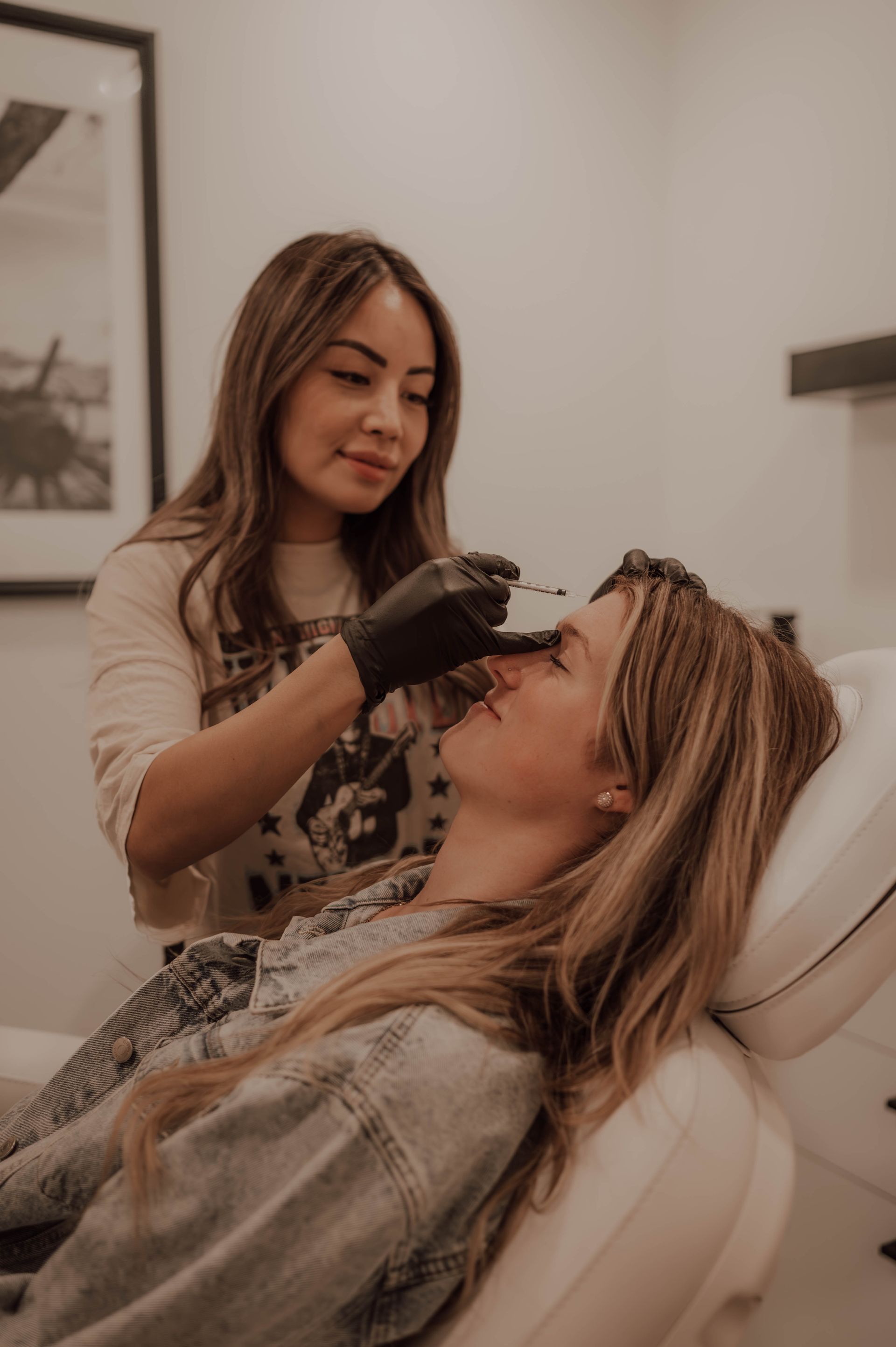
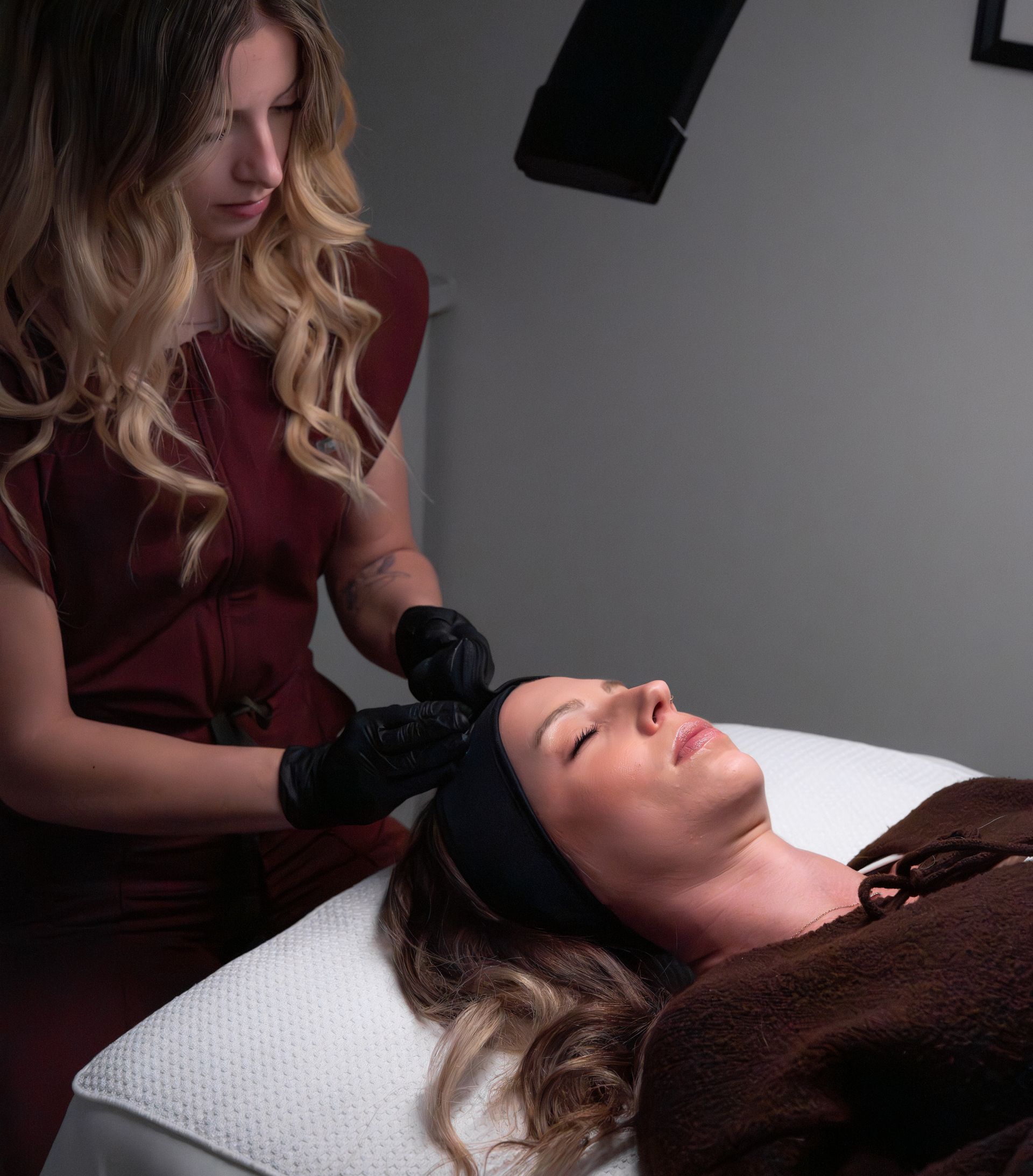
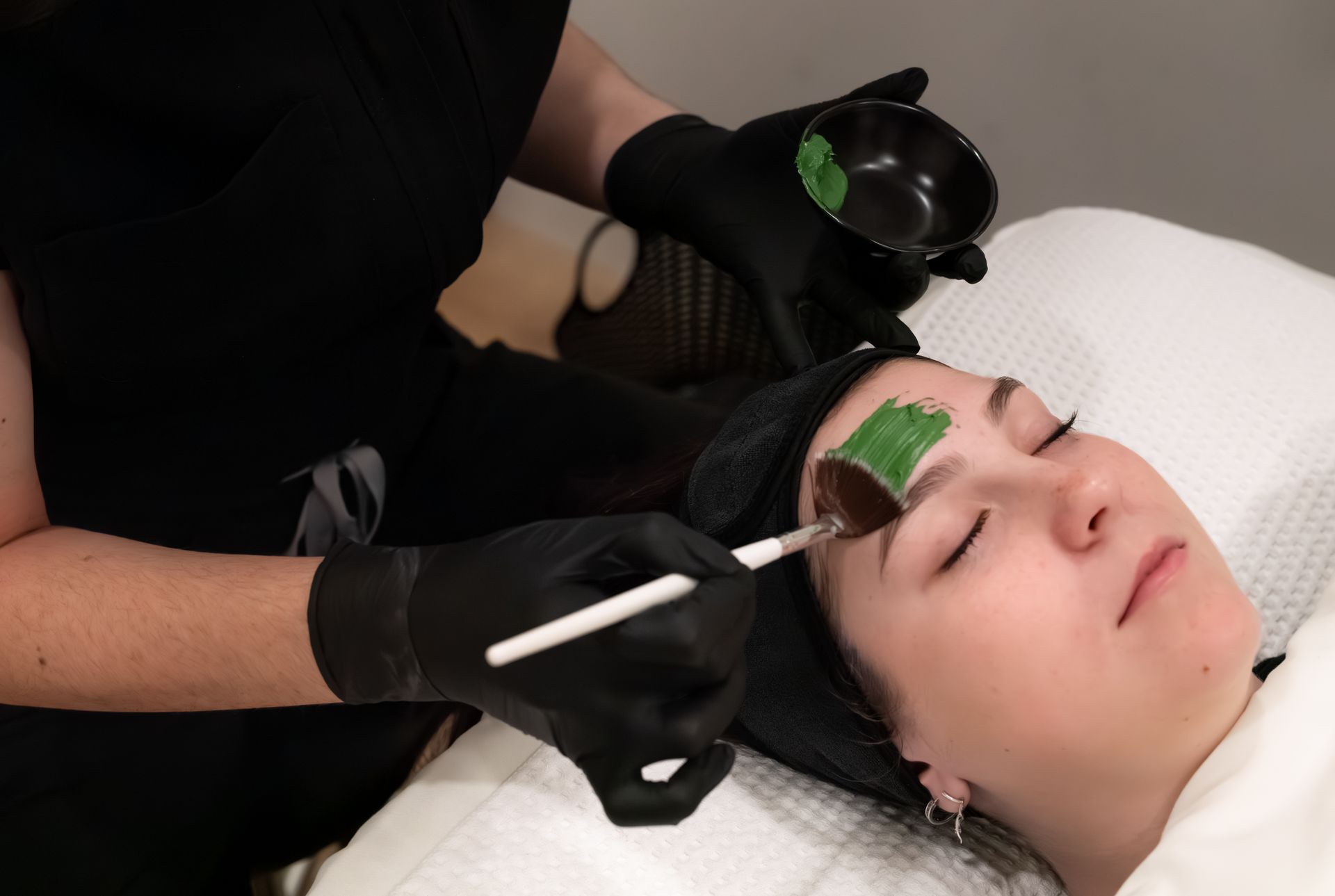
Fixing this issue requires professional intervention focused on deep nourishment rather than further exfoliation. Utilizing a Custom SKN facial for barrier repair provides the concentrated ceramide therapy necessary to stop the irritation cycle. However, it is vital to understand that true cellular healing does not happen in a single afternoon. We want to outline exactly what to expect from the recovery process so you can approach your skin health with patience and realistic confidence.
In This Article:
- The Misconception of an Overnight Fix
- Realistic Timelines for Cellular Repair
- What Affects Your Healing Progress at Home
- Frequently Asked Questions
The Misconception of an Overnight Fix
One of the most common overestimations we encounter is the belief that a single hydrating treatment will permanently cure a compromised lipid layer. Clients often arrive hoping for a quick reset that will allow them to immediately return to using their strong retinols and exfoliating acids. The reality is that your skin barrier acts as a complex brick and mortar system holding your cells together. Once the mortar is stripped away through over-exfoliation or harsh weather, rebuilding it requires a delicate and sustained approach.
While you will leave the clinic feeling immediate relief and soothing comfort, the structural damage beneath the surface still needs time to fully heal.
→ From a professional standpoint: Pushing your skin to recover too quickly by reintroducing active ingredients will only restart the cycle of inflammation and delay true healing.
Realistic Timelines for Cellular Repair
Setting honest expectations for your recovery depends entirely on how much damage your tissue has sustained over time. A mildly irritated barrier might feel significantly better within a week of receiving a Custom SKN facial for barrier repair. This targeted treatment floods the tissue with essential ceramides and lipids that mimic your natural protective oils. For more severe cases involving chronic redness or chemical burns from aggressive at-home treatments, full recovery often aligns with a complete cellular turnover cycle. This means it can take anywhere from four to six weeks of dedicated care to see your complexion fully stabilize.
→ A quick tip to remember: Consistency with your recommended aftercare products is the only way to ensure the healing initiated in the clinic continues steadily at home.
Creating a long-term plan for skin health is something our clients notice firsthand when they commit to a targeted regimen. It is a pattern the team at SKN Loft hears regularly as clients begin to see actual structural improvements.
► Client Experience: Skin Loft is top-notch! These girls know their stuff!! My skin age improved 7 years with the skin care regimen recommended at my first mini consult! Second consult, I started a couple more amazing products recommended by Keeley, and I love them. Highly recommend SKN Loft, all the staff are absolutely lovely and very knowledgeable. Every visit feels like visiting friends! Melanie Bott
This kind of visible improvement is exactly what happens when you trust the timeline and follow a professionally prescribed healing protocol.
What Affects Your Healing Progress at Home
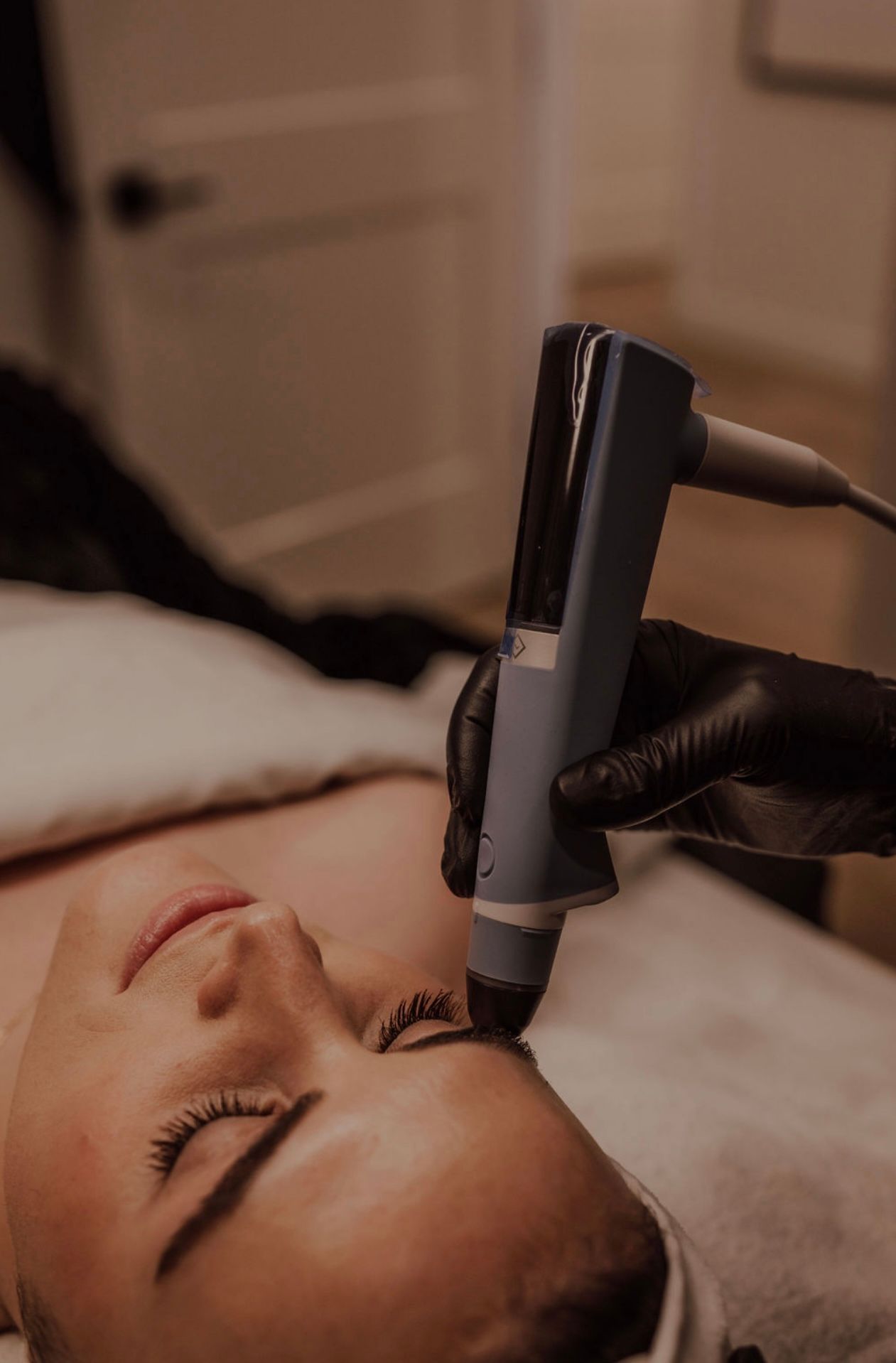
Your actions between clinic visits play a massive role in how quickly your protective layer rebuilds itself. The most crucial step is stripping your daily routine down to the absolute basics of a gentle cleanser, a rich moisturizer, and a mineral sunscreen. Continuing to use foaming cleansers or physical scrubs will constantly disrupt the fragile new cells trying to form on the surface. We also highly recommend pairing your initial recovery phase with a gentle Jet Peel infusion to safely deliver soothing nutrients without any abrasive friction. Protecting your skin from extreme temperature changes will further speed up your healing trajectory.
Frequently Asked Questions
How do I know if my skin barrier is damaged?
The most clinical indicator of barrier damage is something called transepidermal water loss. This happens when the skin can no longer hold onto moisture, leading to a tight and papery texture even after applying a thick moisturizer. You might also notice that products you have used for years suddenly cause a burning or stinging sensation upon application.
How long does it take to repair a skin barrier?
Superficial irritation can often be resolved in about two to four weeks with strict adherence to a gentle regimen. Deeper damage caused by prolonged misuse of medical-grade acids or chronic environmental exposure may take up to three months to fully correct. The timeline depends entirely on how consistently you protect the new cells as they migrate to the surface.
Can facials help with skin redness?
Yes, but only if the treatment is specifically designed to suppress inflammation rather than stimulate the tissue. A barrier repair facial focuses entirely on replacing lost lipids and cooling the skin to constrict dilated blood vessels. Avoiding aggressive modalities like chemical peels during this phase is essential to successfully calming chronic redness.
Start Your Skin Healing Journey
Restoring a compromised complexion requires a combination of professional guidance and dedicated patience. Our team is here to assess your current tissue health and build a recovery protocol that makes sense for your lifestyle. Book a consultation today to start rebuilding your protective barrier with treatments that prioritize long-term resilience.
Share This Blog