4 Facts About Melasma Triggers and the Science of Aerolase NeoSkin
SKN Loft • August 11, 2026
Dealing with stubborn dark patches on your face can feel like an endless battle against your own skin. Many people in Cochrane spend a fortune on brightening serums only to watch those brown spots return the moment the weather warms up. At SKN Loft, we know how frustrating it is when standard exfoliation fails to create an even complexion. We want to help you understand the root causes of this specific pigmentation and explore effective clinical solutions.
Unlike typical sun damage, melasma is a complex condition driven by hormones, heat, and ultraviolet exposure. Standard treatments often irritate the skin and inadvertently make the discoloration worse. This is why our team relies on advanced technology specifically designed to clear pigmentation without causing harmful inflammation. Using Aerolase NeoSkin for melasma offers a safe, highly targeted approach to breaking down melanin deposits without triggering a flare-up.
In This Article:
- Tip #1: Recognize That Heat is a Major Trigger
- Tip #2: Utilize Aerolase NeoSkin for Melasma Safely
- Tip #3: Address the Vascular Component of Pigmentation
- Tip #4: Support Your Laser Results With Proper Maintenance
- Frequently Asked Questions
Tip #1: Recognize That Heat is a Major Trigger
Most people know that unprotected sun exposure darkens hyperpigmentation. What many do not realize is that ambient heat alone can stimulate melanocytes to produce excess pigment.
• Ambient Heat Sources: Hot yoga, saunas, and even sitting in a hot car can trigger a flare-up in prone individuals.
• Standard Laser Risks: Traditional lasers use longer pulse durations that heat the surrounding tissue, which can accidentally worsen the condition.
• The Hormonal Link: Pregnancy, birth control, and internal hormonal shifts make pigment cells highly reactive to both heat and light.
Tip #2: Utilize Aerolase NeoSkin for Melasma Safely
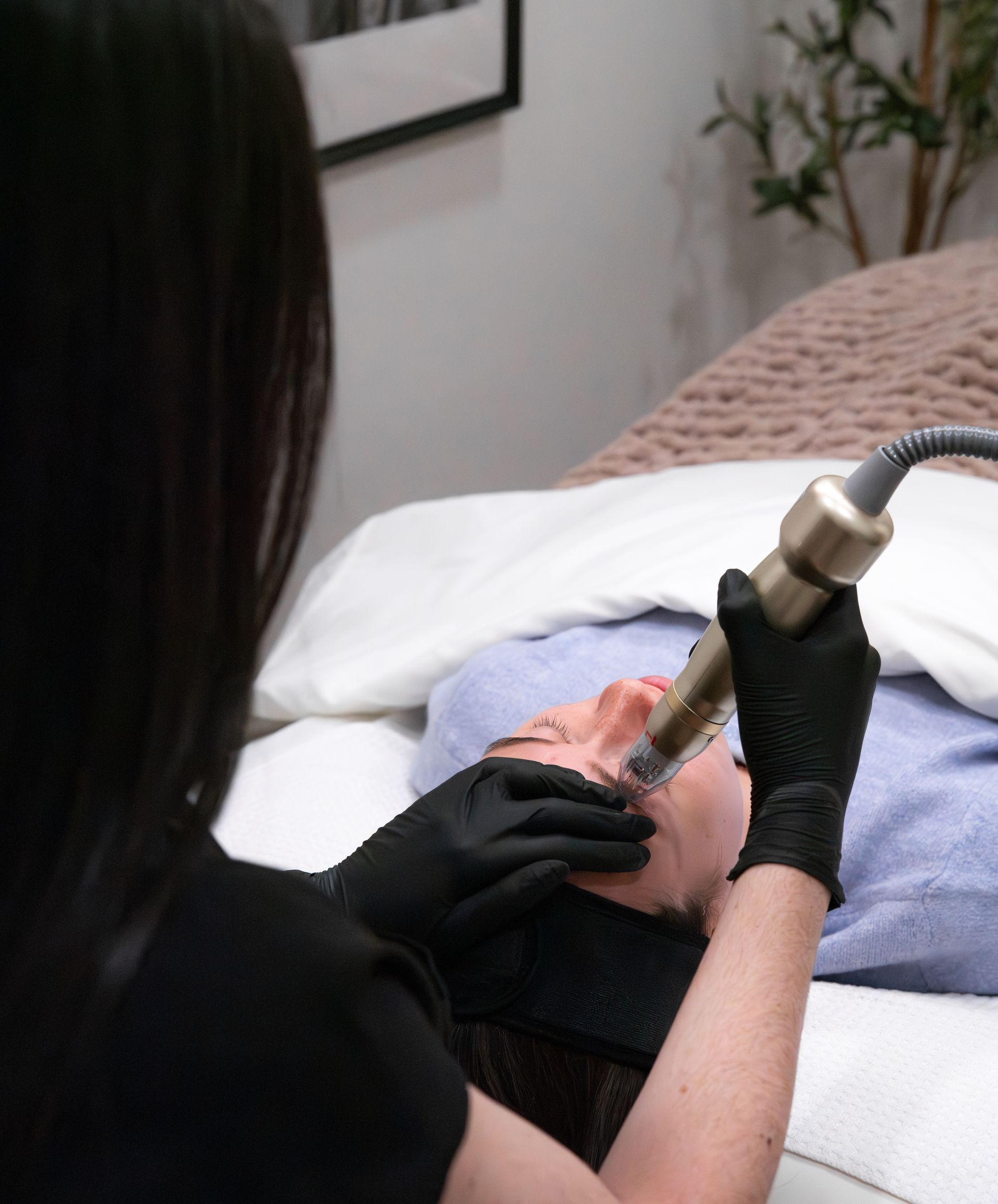
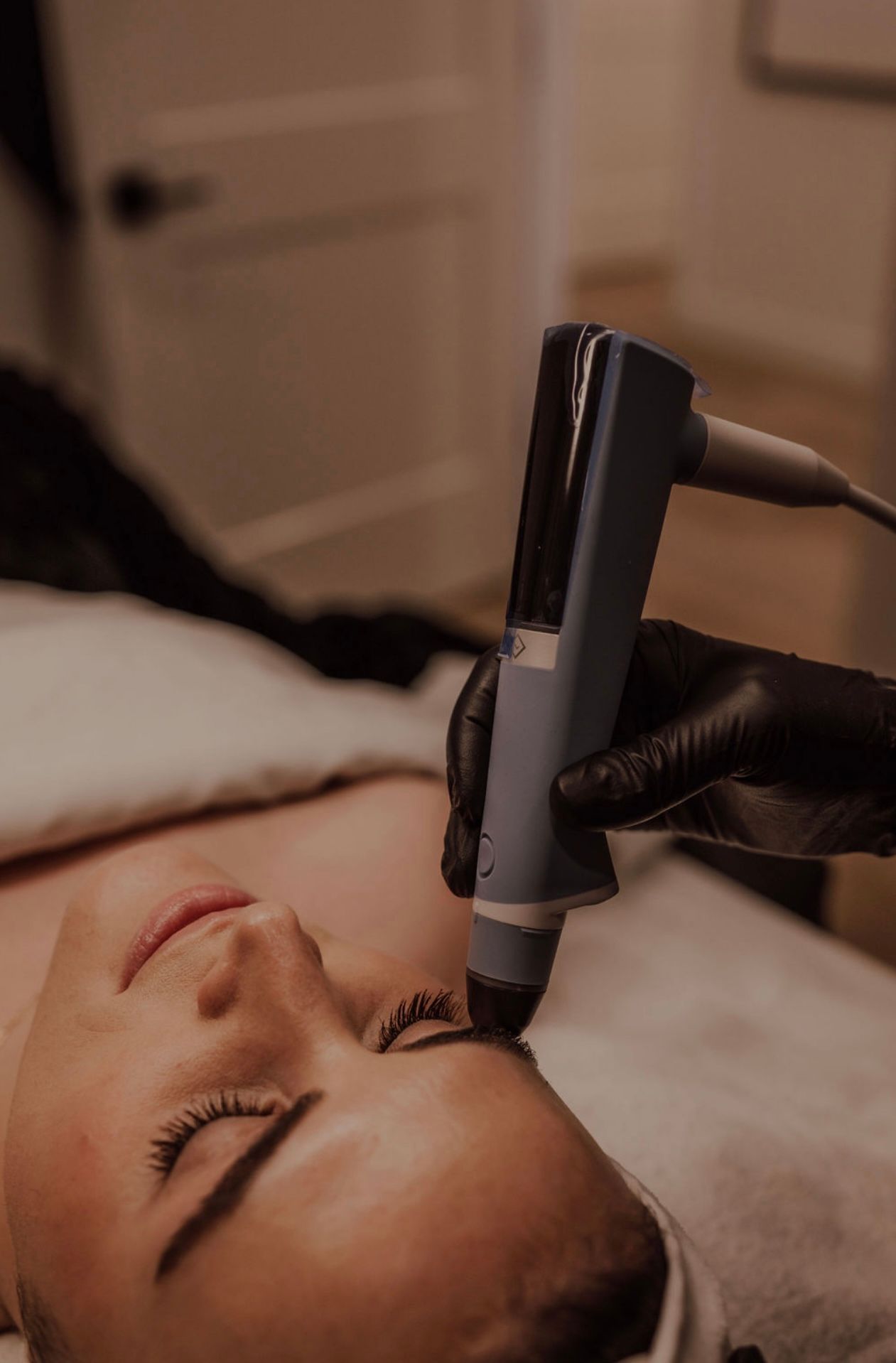
Finding the right clinical treatment requires a tool that destroys pigment without heating the surrounding skin barrier. This is exactly how 650-microsecond laser technology changes the landscape of hyperpigmentation management.
• Ultra Short Pulses: The energy enters the tissue and shatters the melanin so quickly that the skin does not have time to heat up.
• Deep Penetration: It bypasses the surface epidermis to target pigment deep within the dermal layers where topical creams cannot reach.
• Gentle Application: The rapid pulse creates minimal discomfort and requires zero skin cooling or numbing creams.
► A single high-impact fact is that treating melasma requires suppressing inflammation, and Aerolase is one of the few lasers that actively reduces dermal inflammation during treatment.
Tip #3: Address the Vascular Component of Pigmentation
When treating stubborn dark patches, focusing solely on the brown melanin often leaves half the problem untouched. Clinical studies show that a network of tiny blood vessels often feeds these pigmented areas.
• Vascular Targeting: Aerolase technology coagulates the underlying microvasculature that supplies nutrients to the overactive pigment cells.
• Redness Reduction: By treating the vascular feed, you simultaneously reduce the underlying redness that often accompanies hormonal pigmentation.
• Long Term Clearance: Shutting down this blood supply makes it much harder for the dark patches to return during your next hormonal shift.
Tip #4: Support Your Laser Results With Proper Maintenance
Clearing the visible pigment is only the first phase of your clinical journey. Because this condition is chronic, managing it long term requires a strategic combination of clinical maintenance and at-home care.
• Sun Protection: A physical mineral sunscreen containing zinc oxide provides the best defense against heat and UV rays.
• Chemical Peels: Alternating laser sessions with a custom chemical peel helps sweep away the shattered pigment from the surface layers.
• Combination Therapy: Adding Sylfirm X to your annual plan can further strengthen the skin barrier and address any lingering textural concerns.
→ From a professional standpoint: The most successful pigmentation protocols treat the skin gently over time rather than aggressively attacking the surface layer all at once.
Frequently Asked Questions
Is Aerolase laser safe for all skin tones?
Yes, this technology is incredibly safe for patients of all skin types and tones. Traditional lasers often pose a burn risk for darker complexions because they target surface melanin too slowly. The 650-microsecond pulse of Aerolase bypasses the surface pigment to target the deeper layers directly. This rapid delivery prevents the epidermis from absorbing dangerous heat levels.
How many Aerolase treatments are needed for pigmentation?
The exact number of sessions depends on how deeply the pigment is rooted in your dermal layers. Most patients begin to see significant clearing after three to four treatments spaced a few weeks apart. Because hormonal pigmentation is chronic, we often recommend occasional maintenance sessions to keep the melanocytes suppressed. Your clinician will assess your progress and adjust the timeline to ensure optimal clearing.
Does Aerolase hurt?
The treatment is highly tolerable and is often described as feeling like a light, warm sensation on the skin. Because the laser pulse is so brief, the nerve endings in your skin do not have time to register a pain response. This eliminates the need for messy numbing creams or uncomfortable skin cooling mechanisms. Patients appreciate that they can return to their daily routines immediately without any lingering discomfort.
Take Control of Your Complexion Today
Managing chronic pigmentation requires a knowledgeable partner and the right clinical tools. Our team is ready to evaluate your unique skin triggers and build a customized treatment plan that prioritizes safety and results. Book a consultation today to learn how our advanced laser technology can help you achieve a clearer, more even skin tone.
Share This Blog